


EdTech Contact Centre Software
Clear communication
for better learning.
TabaTalk unifies calls, messages and chat in a secure platform that makes onboarding, support and engagement easy to manage.
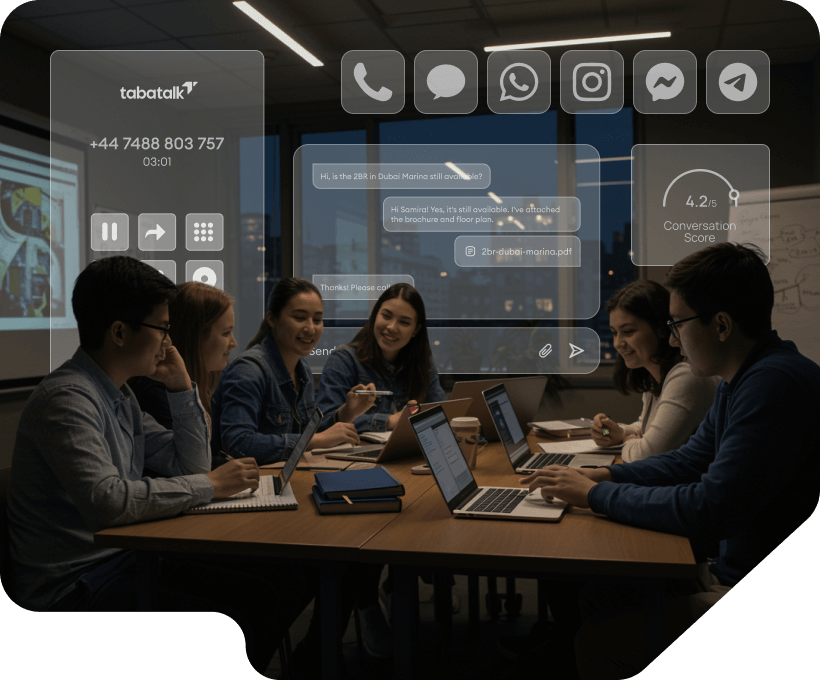









Workflows made smarter.
Teaching made simpler.
One inbox for every conversation.
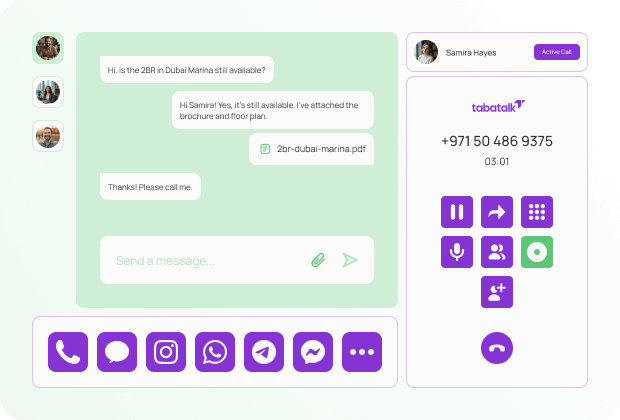
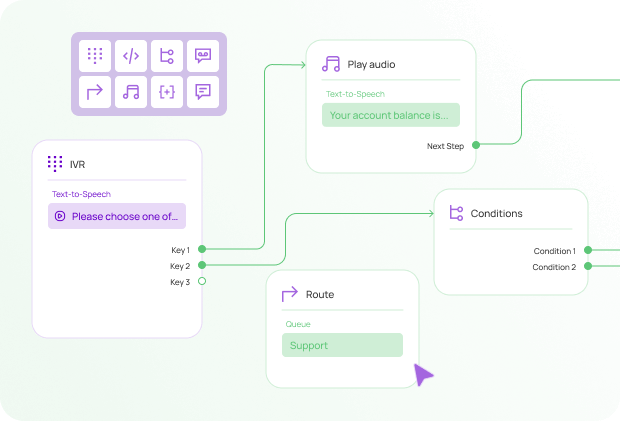
Workflows that adapt.
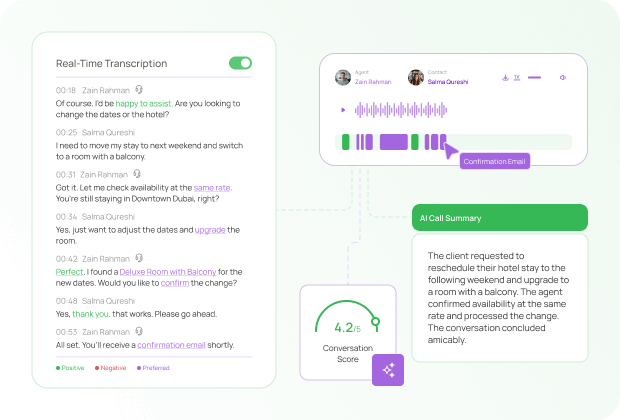
Insights that elevate learner support.
Outreach that keeps learners engaged.
Monitor your learners’ experience.
Stay in sync,
without the stress.
Stronger outcomes.





 Available
Not Available
Limited
Available
Not Available
Limited
Connectivity you
can count on.

global reach
Access virtual numbers in 120+ countries instantly so your team shows up with a local presence, wherever they call from.

ready to connect
With global data centers, real-time monitoring, and 100+ carrier connections, TabaTalk delivers crystal-clear VoIP at scale.

by design
From encryption to role-based access controls, every layer of TabaTalk is built to keep your data — and your customers’ — secure.
Ready
when you are.
wondering
Can TabaTalk handle communication across different groups?
Absolutely. TabaTalk's edtech contact centre software consolidates voice calls, messaging conversations, and live chats with students, parents, instructors, administrators, and prospective learners into one unified workspace. Every interaction, whether enrollment inquiries, technical support requests, or course-related questions, appears chronologically within student profiles. Representatives access complete conversation histories instantly, eliminating frustrating repetition when learners contact your team multiple times. Context switches seamlessly between channels, so students starting conversations via chat can continue through phone calls without re-explaining their situations. Automated tagging categorizes interactions by topic, admissions, billing, technical issues, or academic advising, enabling faster reporting and trend identification. This centralized approach ensures consistent service quality regardless of which team member responds.
Does it integrate with our existing systems?
Yes. TabaTalk connects seamlessly with leading CRM platforms, including Salesforce, HubSpot, and Zoho, plus learning management systems like Canvas, Moodle, Blackboard, and Brightspac,e through pre-built APIs. Student information systems sync bidirectionally, ensuring enrollment records, course registrations, payment statuses, and academic progress update automatically across platforms. When learners call, agents see complete profiles, course enrollments, outstanding assignments, payment history, and previous support interactions, without switching applications. Conversation transcripts, call recordings, and interaction notes flow automatically into connected systems, creating comprehensive audit trails. These integrations eliminate duplicate data entry while maintaining accuracy across your technology ecosystem. API documentation and technical support accelerate connection timelines, typically completing setup within hours rather than the weeks traditional implementations require.
Can TabaTalk help improve our enrollment or onboarding process?
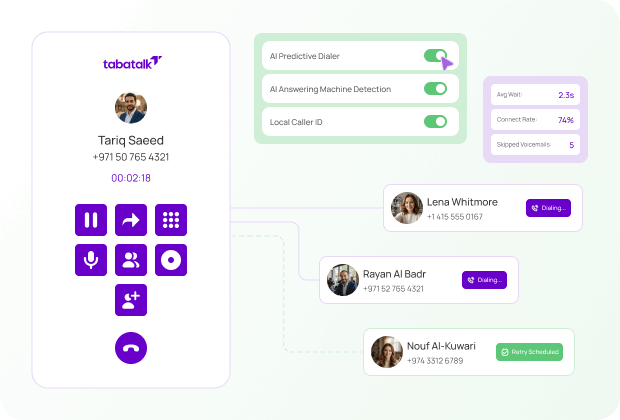
Definitely. TabaTalk's predictive dialer enables admissions teams to contact hundreds of prospective students daily, automatically connecting representatives only when prospects answer calls. Automated SMS and email sequences nurture leads systematically, sending course information, application reminders, and deadline alerts based on prospect behavior. When inquiries arrive through website forms, instant callback features connect interested learners with counselors within minutes, dramatically improving conversion rates compared to delayed responses. Workflow automation triggers follow-up tasks when prospects don't respond, ensuring no opportunity falls through the cracks. Intelligent routing directs program-specific questions to specialized advisors immediately. Real-time dashboards track enrollment funnel metrics, identifying bottlenecks requiring attention. Onboarding workflows guide new students through registration steps, payment setup, and platform orientation systematically, reducing dropout during critical early stages.
Is TabaTalk secure enough for sensitive data?
Yes. Enterprise-grade encryption protects all voice transmissions and data storage, ensuring student information remains confidential throughout every interaction. Multi-factor authentication prevents unauthorized system access, while role-based permissions restrict staff to information appropriate for their responsibilities. Admissions counselors access prospect records while academic advisors see enrolled student performance data. Caller ID masking protects agent privacy during outbound campaigns. Comprehensive activity logging documents every system action, creating audit trails demonstrating compliance with FERPA, GDPR, and other privacy regulations governing educational institutions. Secure payment processing redacts credit card details automatically during conversations and recordings. Session timeouts prevent unauthorized access to unattended workstations. Regular security assessments and SOC 2 certification demonstrate an ongoing commitment to protecting personal, financial, and academic information at every touchpoint.
How quickly can we go live?
Most EdTech teams become fully operational within 24 hours using TabaTalk's streamlined deployment process. Setup includes local or toll-free number provisioning, intelligent routing configuration based on inquiry types, core system integration with your LMS and SIS platforms, and representative training through intuitive interfaces requiring minimal instruction. Pre-configured workflows handle common scenarios, enrollment inquiries, technical support requests, billing questions, and academic advising, enabling immediate productivity. The platform mirrors familiar communication patterns, reducing learning curves significantly. Supervisors adjust call flows, update knowledge bases, and modify routing rules through no-code administrative controls without requiring developer support or extended implementation timelines. Unlike complex legacy call center systems demanding weeks of customization, TabaTalk's cloud architecture activates core functionality immediately while advanced features roll out progressively.
What is EdTech contact centre software?
EdTech contact centre software is specialized technology enabling educational technology companies, online learning platforms, universities offering distance education, and training providers to manage student communications across voice, chat, email, SMS, and social media channels. Unlike generic contact center solutions, these platforms integrate directly with learning management systems, student information databases, and enrollment applications. Representatives assist learners with course selection, technical troubleshooting, assignment clarifications, and billing inquiries from unified interfaces. Advanced capabilities include intelligent routing connecting students with subject-matter experts, automated follow-up sequences nurturing prospective enrollments, conversation analytics identifying common pain points, and comprehensive reporting tracking student satisfaction metrics. These purpose-built solutions address unique challenges facing education providers while delivering exceptional learner experiences throughout the student lifecycle.
How does customer service differ in the education technology sector?
Educational customer support requires deeper relationship building compared to transactional industries. Student interactions span months or years rather than single purchases, demanding consistent personalized service throughout learning journeys. Representatives must understand diverse inquiries, technical platform issues, course content questions, career counseling needs, and administrative concerns, requiring broader knowledge than typical call center agents. Peak volumes fluctuate dramatically around enrollment deadlines, semester starts, and exam periods, necessitating flexible workforce scaling. Emotional intelligence proves critical when addressing anxious students facing academic challenges or financial pressures. Communication must accommodate various learning styles and language proficiencies. Success metrics emphasize long-term retention and completion rates rather than just immediate resolution times. EdTech companies must balance efficiency with empathy, automation with human connection, creating supportive environments where learners feel valued and understood.
Why do EdTech companies need specialised support platforms?
Generic contact center software lacks critical integrations and features essential for educational environments. EdTech platforms must connect seamlessly with learning management systems, displaying course progress, assignment completion, and grade information during support conversations. Student information system integration provides enrollment status, payment histories, and demographic details agents need for personalized assistance. Specialized routing distributes technical questions to IT staff, academic inquiries to subject experts, and admissions calls to enrollment counselors based on inquiry context. Automated workflows trigger intervention when students show disengagement signals, declining login frequency, missed assignments, or payment delays. Compliance features ensure FERPA adherence, protecting student privacy. Reporting tracks education-specific metrics like enrollment conversion rates, course completion percentages, and student satisfaction scores. These capabilities transform support from reactive problem-solving into proactive student success enablement.
How can contact centre technology support student engagement?
Cloud contact center platforms enable proactive outreach campaigns, re-engaging students showing disengagement signals. Automated alerts notify advisors when learners miss multiple classes, fall behind on assignments, or stop accessing course materials, triggering intervention conversations before students withdraw. SMS campaigns deliver timely reminders about upcoming deadlines, live session schedules, and new resource availability. Voice broadcasts announce important updates, schedule changes, registration windows, or financial aid opportunities, reaching thousands of students simultaneously. Interactive chatbots provide instant answers to common questions 24/7, eliminating frustration when support staff aren't available. Personalized communication references individual course selections, learning preferences, and career goals, making interactions relevant rather than generic. Real-time analytics identify trending questions, enabling proactive content creation addressing widespread concerns before they escalate into support volume spikes.
What features should EdTech customer support platforms include?
Essential capabilities include omnichannel contact center functionality unifying voice agents, chat representatives, email responders, and social media monitors within a single interface. Intelligent routing directs technical questions to IT specialists, academic inquiries to subject experts, and billing concerns to financial counselors automatically. LMS integration displays course enrollments, assignment statuses, and grade information during conversations. Screen pop reveals complete student profiles when calls arrive. Knowledge base access provides instant policy information, course catalog details, and troubleshooting procedures. Call recording captures interactions for quality assurance and training purposes. Conversation analytics monitors sentiment patterns and identifies improvement opportunities. Workforce management optimizes scheduling across fluctuating demand cycles. Real-time dashboards track service levels, response times, and satisfaction scores. Automated workflows trigger follow-up tasks, ensuring a consistent student experience regardless of which team member handles interactions.
Does it integrate with learning management systems (LMS)?
Yes. TabaTalk connects seamlessly with Canvas, Moodle, Blackboard, Brightspace, and other major learning platforms through pre-built APIs and webhooks. When students contact support, agents see complete course enrollments, assignment submissions, quiz scores, discussion participation, and resource access histories without switching applications. Representatives troubleshoot technical issues with full context about which courses, modules, or activities students are attempting to access. Conversation notes and interaction summaries sync automatically back into LMS student profiles, creating comprehensive documentation of support interventions. Integration enables automated triggers, when students fall behind on coursework, support outreach initiates proactively. Counselors reference upcoming deadlines, incomplete assignments, and grade standings during conversations, providing personalized guidance based on actual academic performance rather than generic advice. These connections transform support from reactive troubleshooting into proactive student success facilitation.
Can it connect with student information systems (SIS)?
Absolutely. TabaTalk integrates with leading student information systems, including Ellucian Banner, Workday Student, PowerSchool, and Anthology Student through secure APIs. Representatives access enrollment records, course registrations, payment statuses, academic transcripts, and demographic information instantly during conversations. When prospective students inquire about programs, advisors reference application statuses, prerequisite completions, and admission requirements without navigating separate systems. Financial holds, outstanding balances, and payment plan details appear automatically, enabling billing discussions with complete context. Changes made during interactions, address updates, course registrations, or payment arrangements sync bidirectionally, maintaining accuracy across platforms. These integrations eliminate frustrating scenarios where students provide identical information repeatedly to different departments. Unified visibility ensures consistent, accurate responses regardless of which representative assists learners, improving satisfaction while reducing operational friction.
How can contact centre technology improve student satisfaction?
Modern platforms enable faster resolution through intelligent routing, connecting learners with qualified specialists immediately, eliminating transfers and repeated explanations. Omnichannel capabilities let students switch seamlessly between voice calls, text messaging, and video consultations without losing context. Screen sharing helps representatives guide technical troubleshooting, application completion, or platform navigation visually. Knowledge base integration provides instant, accurate answers to policy questions, course requirements, or billing inquiries. Proactive communication alerts students about registration deadlines, assignment due dates, and financial aid opportunities before problems arise. Personalized service recognizes individual learning paths, career goals, and previous interactions automatically. Reduced wait times through optimized workforce scheduling minimizes frustration during peak periods. Quality monitoring ensures consistent professional interactions. These combined enhancements transform support experiences from transactional problem-solving into relationship-building conversations, strengthening student loyalty and program completion rates.
Can faster response times increase course enrolments?
Definitely. Research demonstrates that prospects contacting educational institutions expect responses within minutes, not hours or days. TabaTalk's instant callback features connect interested learners with admissions counselors immediately when website inquiries arrive, capturing attention while interest peaks. Automated acknowledgment messages confirm receipt of applications or questions, preventing anxiety-driven abandonment when prospects don't receive immediate confirmation. Predictive dialers enable recruitment teams to contact hundreds of qualified leads daily, dramatically expanding outreach capacity compared to manual calling. SMS follow-up sequences maintain engagement systematically, sharing additional program information, success stories, and application guidance at strategic intervals. Real-time routing ensures after-hours inquiries receive prompt attention through available staff or intelligent chatbots rather than waiting until business hours. Analytics identify conversion bottlenecks, points where prospective students disengage, enabling targeted improvements. This responsiveness signals institutional quality, professionalism, and student-centricity that influence enrollment decisions significantly.
How does centralised communication improve retention rates?
Unified platforms enable comprehensive tracking of every student interaction across departments, admissions, academics, technical support, and financial services, creating holistic visibility into learner experiences. When patterns emerge, repeated technical difficulties, frequent billing questions, or multiple academic concerns, intervention triggers automatically notify student success teams. Representatives reference complete interaction histories, understanding frustrations students experienced previously ,and avoiding redundant conversations. Cross-functional collaboration improves when advisors, instructors, and support staff share unified communication records rather than maintaining isolated information silos. Analytics identify at-risk students exhibiting disengagement signals, declining contact frequency, negative sentiment patterns, or unresolved issues, enabling proactive retention outreach. Automated workflows systematically check in with students at critical junctures, midterm periods, assignment deadline clusters, or financial payment dates, demonstrating institutional investment in their success. This coordinated approach transforms fragmented touchpoints into cohesive support ecosystems, reducing dropout rates substantially.
Can TabaTalk handle seasonal enrollment volume fluctuations?
Absolutely. Educational institutions experience dramatic demand variations, application deadlines, semester starts, financial aid periods, and graduation cycles, which create predictable volume surges. TabaTalk's cloud contact center architecture scales capacity instantly, adding representatives during peak periods without the infrastructure investments traditional systems require. Workforce management forecasts staffing needs based on historical patterns, optimizing schedules across fluctuating demand. Automated callbacks prevent queue abandonment when wait times extend during unexpected spikes. Chatbots handle routine inquiries, password resets, payment confirmations, and schedule information, deflecting simple requests from human agents who focus on complex advising conversations. Real-time monitoring alerts supervisors when service levels deteriorate, enabling proactive interventions. Flexible pricing models align costs with actual usage rather than fixed capacity commitments. This elasticity prevents both understaffing scenarios, frustrating students, and overstaffing periods, wasting budget resources.
How does TabaTalk ensure data privacy and FERPA compliance?
TabaTalk implements comprehensive controls protecting student educational records as required by FERPA regulations. Role-based access restricts staff to information appropriate for their responsibilities. Admissions counselors access prospect data while academic advisors see enrolled student performance details. Audit trails document every record access attempt, creating compliance documentation demonstrating proper information handling during regulatory reviews. Secure authentication validates identity before representatives access sensitive student information. Data retention policies automatically archive or delete records according to institutional requirements and regulatory mandates. Encryption protects information during transmission and storage. Training modules educate staff on privacy obligations, acceptable disclosure scenarios, and proper consent verification procedures. Parental access controls enable institutions to manage communication with guardians of dependent students appropriately. These layered protections mitigate compliance risks while maintaining operational efficiency, supporting legitimate educational interests.