


LOCAL CALLER ID
Local Caller ID
that gets you answered.
Show a familiar, local number every time you call, so more customers pick up, trust you faster, and stay engaged.








Don't lose conversations before they start.
Higher answer rates
Better conversations
More conversions



Built for
better conversations.
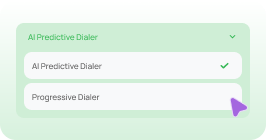
Teams typically see a 20–50% increase in answer rates when switching from international or unknown numbers.
Calls from local numbers are significantly less likely to be ignored or flagged, helping more conversations start.
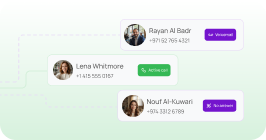
Expanding into new regions often reduces pickup rates. Using local caller ID helps maintain consistent performance across markets.
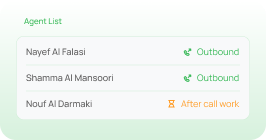
When more calls are answered, agents spend less time dialing and waiting. This can increase conversations per hour by 30%+.
faster than you think.





Stay in sync,
without the stress.
More ways TabaTalk
helps you deliver.
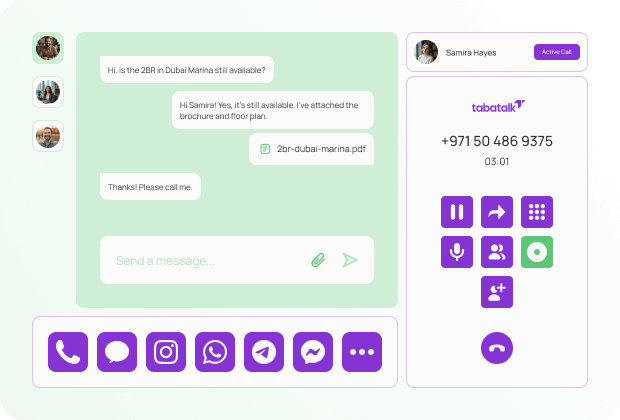
Every channnel,
one workspace.
Build journeys
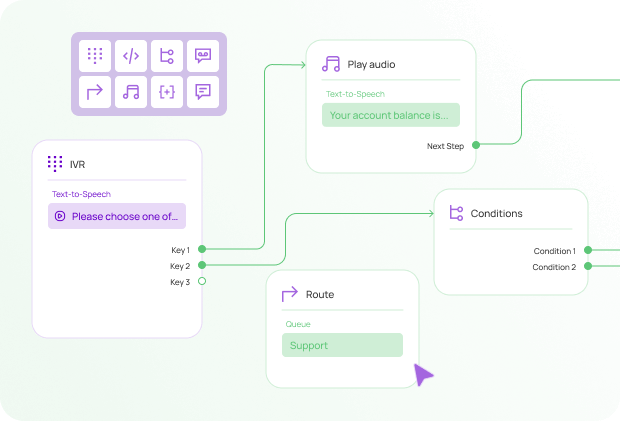
that work.
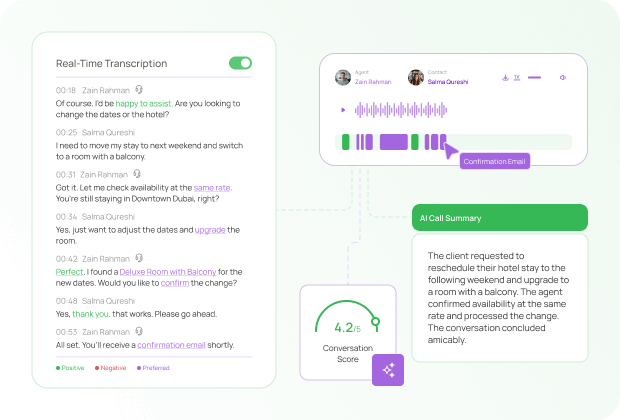
Understand what’s really said.
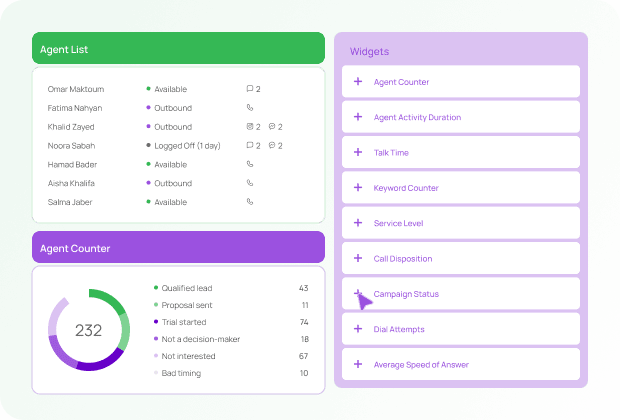
See what matters, when it matters.
Ready
when you are.
wondering
What is local caller ID?
Local caller ID is a feature that displays a local phone number on the recipient's caller ID screen when your team makes an outbound call. Instead of showing an international or unfamiliar number, the system automatically selects the best phone number according to each customer's location.
So if you are calling someone in Germany, they see a German number. If you are reaching out to the UK, they see a UK number. The idea is simple: people are far more likely to pick up when a call appears to come from their own area code or region.
Does local caller ID really increase answer rates?
Yes, and the difference is often significant. Calls from local numbers feel familiar, so recipients are more willing to answer. Most teams see a noticeable lift in pickup rates once they move away from international or unknown caller IDs.
It makes sense when you think about it; if you saw an unfamiliar country code on your own phone, you would probably ignore it too. Local presence dialing removes that barrier entirely. The exact improvement varies by market and audience, but the trend is consistent across industries that depend on outbound calling.
How does TabaTalk assign local numbers?
TabaTalk automatically matches your contacts with a matching local area code based on the region you are calling. You can assign phone numbers by country or by campaign, and the system handles the rest without manual switching. For teams running presence dialing across multiple markets, this matters quite a bit.
Agents do not need to think about which number to use; the platform picks the right one. It also supports number pools, so you can rotate through several local numbers per region to keep performance steady over time.
Can I use different numbers for different countries?
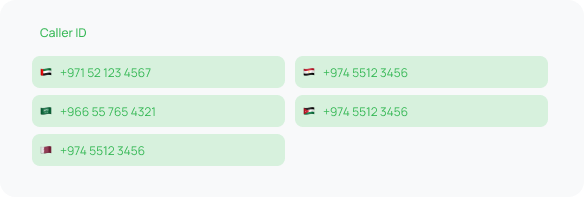
Yes. You can assign separate local numbers for each country or region, so every call displays a relevant local area code to the person on the other end. This is especially useful for teams running multi-market campaigns where a single number would stand out as foreign.
TabaTalk lets you manage these caller IDs from one place, which keeps things organized and easy to adjust as you scale. The goal is straightforward: make every outbound call look and feel like a local call, regardless of where your team is actually dialing from.
Will this affect call quality or routing?
No. Local caller ID only changes what displays on the recipient's screen. Call quality, routing, and connection are all handled independently by the platform. Think of it as a presentation layer; the underlying infrastructure stays the same. Your dialing performance, audio clarity, and connection speed are not affected.
This is a common concern when teams first consider implementing local presence dialing, but the reality is that the caller ID layer sits on top of everything else. It does not interfere with how the call is actually carried or connected.
Is local caller ID compliant with regulations?
TabaTalk is designed to support compliant outbound communication, but requirements vary by region. Some countries have strict rules about which numbers you can display and how dynamic caller ID is used, so it is important to review local regulations before rolling out presence dialing in a new market.
TabaTalk gives you the tools to manage caller settings per region, but compliance ultimately depends on how your team configures and uses them. When in doubt, it is worth checking with a legal advisor familiar with telecoms in your target markets.
How quickly can I get started?
Setup is fast. Once your local numbers are assigned and configured, local caller ID works automatically as part of your outbound dialing workflows. There is no complicated onboarding or lengthy integration process. Most teams are up and running within a day, sometimes less.
TabaTalk handles the provisioning side, so your agents can start calling with local presence almost immediately. If you are already on the platform, adding local caller ID to an existing campaign is even quicker, since the infrastructure is already in place.
Is local caller ID enough to prevent calls from being flagged as spam?
It helps, but it is not the only factor. Call patterns, volume, and number reputation all play a role. Local caller ID improves how your calls are perceived by recipients, which reduces the chance of being ignored or flagged.
But if you are dialing the same number hundreds of times or burning through a single caller ID too quickly, other signals can still trigger spam filters. The best approach combines local presence dialing with smart number rotation and healthy calling practices to keep your outbound presence clean.
What happens if I call a country without a local number?
Calls will still connect, but they are more likely to be ignored or filtered by the recipient. When people see an unfamiliar country code, the instinct is to let it ring. Using a local number for each target region helps maintain consistent answer rates and keeps your presence credible.
If you are expanding into a new market, it is worth setting up local phone numbers before launching campaigns there. The difference in pickup rates between a local and foreign number can be surprisingly large, especially in regions where spam calling is widespread.
How many local numbers do I need per country?
It depends on your call volume and dialing pace. Higher volumes usually require multiple phone numbers per region to avoid overuse, which can hurt answer rates over time. TabaTalk supports number pools, so you can rotate through several local numbers without managing each one manually.
A good starting point is perhaps three to five numbers per market, but teams with heavier outbound activity may need more. The key is spreading your calling volume across enough numbers that no single one gets flagged or worn out too quickly.
Does rotating local numbers make a difference?
Yes. Reusing a single local caller ID at high volume can reduce its effectiveness over time. Carriers and recipients start to flag numbers that appear too frequently, which gradually brings down your answer rates. Rotating through a set of local numbers, sometimes called presence number rotation, keeps each one fresh and less likely to be blocked.
TabaTalk makes this easy to manage from within the platform. For teams doing heavy outbound dialing across multiple area codes, rotation is one of those small adjustments that quietly protects long-term performance.
What’s the difference between local caller ID and number masking?
Local caller ID focuses on showing a relevant, recognizable local number to the person you are calling. The goal is to build trust and improve answer rates by creating a local presence. Number masking, on the other hand, is typically used to hide or protect the real phone number of one or both parties during a call.
They solve different problems. Local caller ID is about perception and performance; masking is about privacy. That said, some teams use both together, especially in industries where both caller trust and data protection matter equally.